Gallery
These are selected examples of student work produced in response to these prompts, shared with permission. Each sample includes the curated dataset, the curated generated images, and the written statement of ethical and creative intent. A fuller analysis of all the student work generated in response to this activity so far, as well as personal student reflections not shared here, will be available in future publication.
Example 1
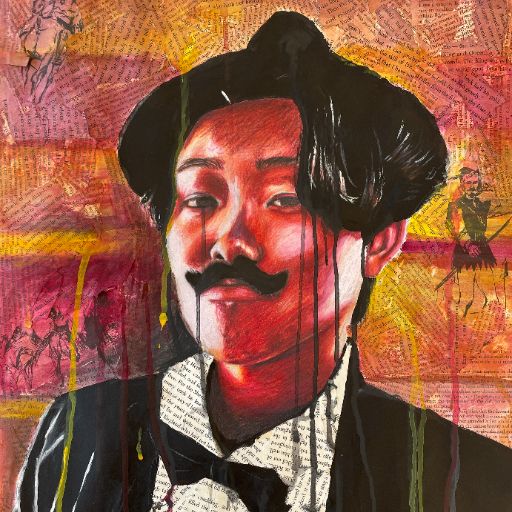
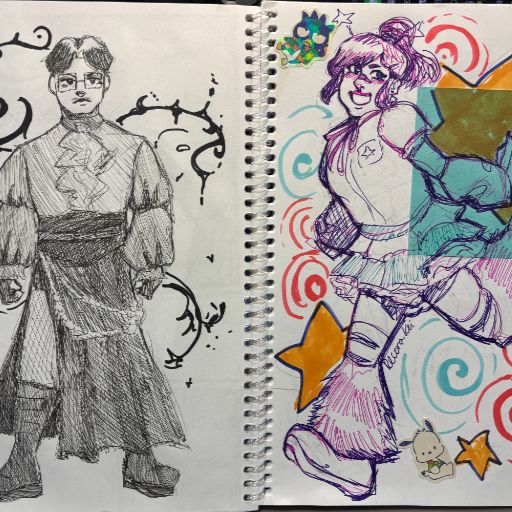
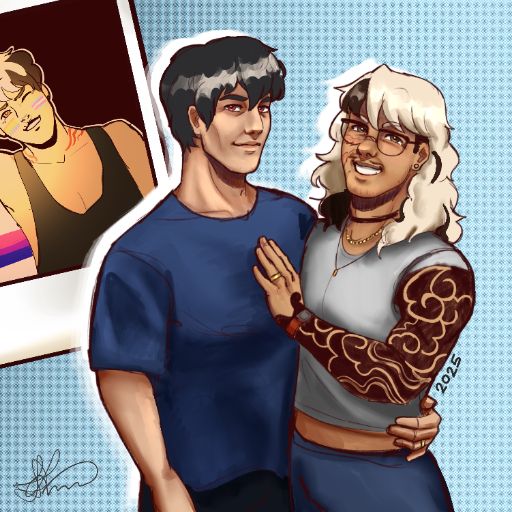
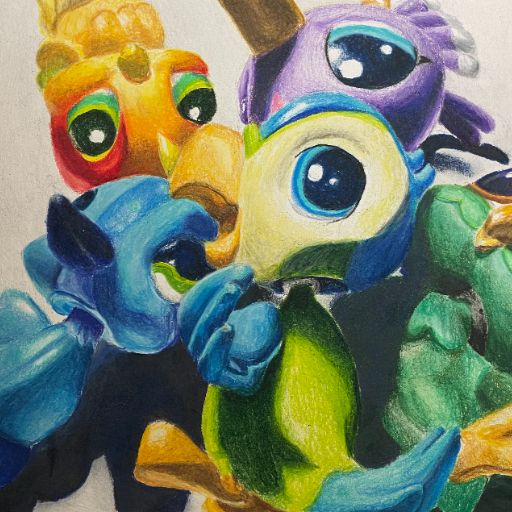
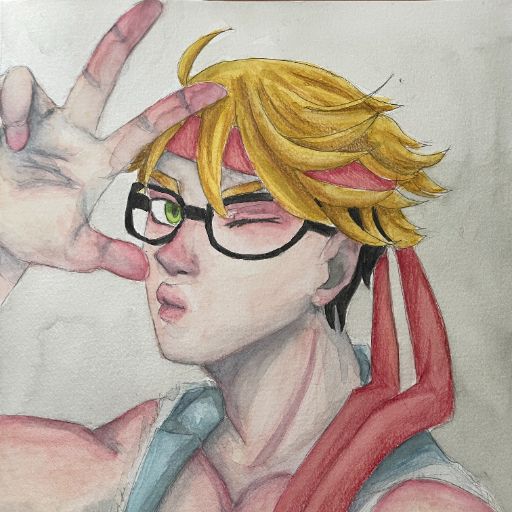
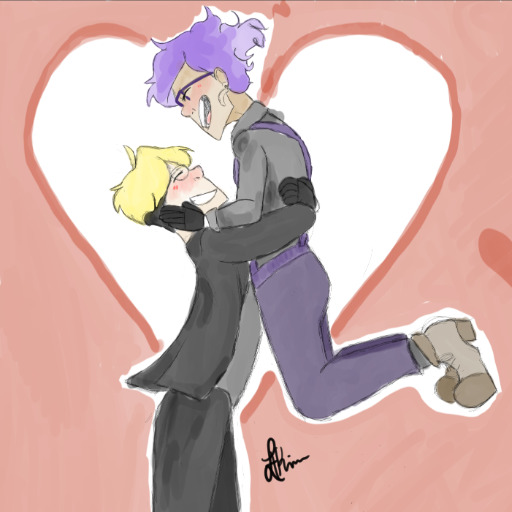
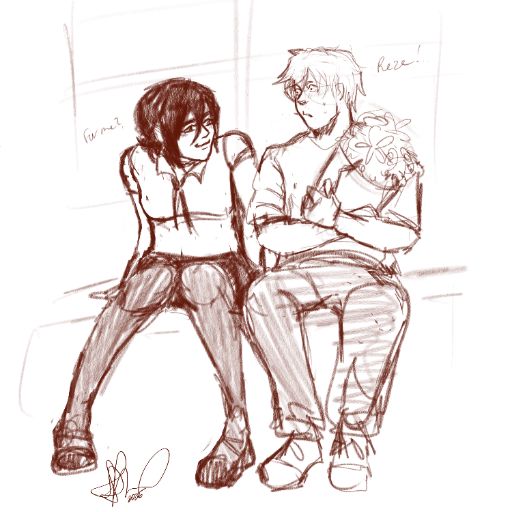
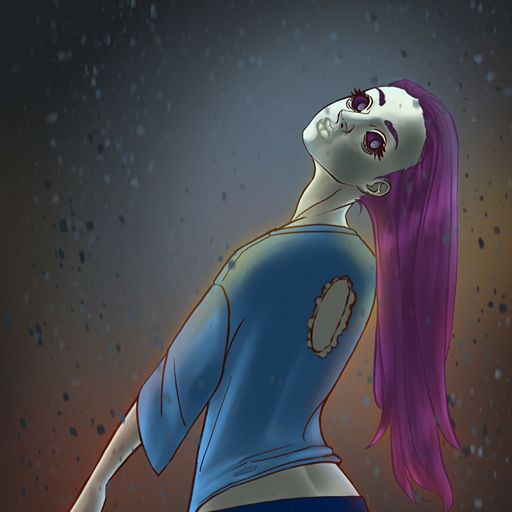
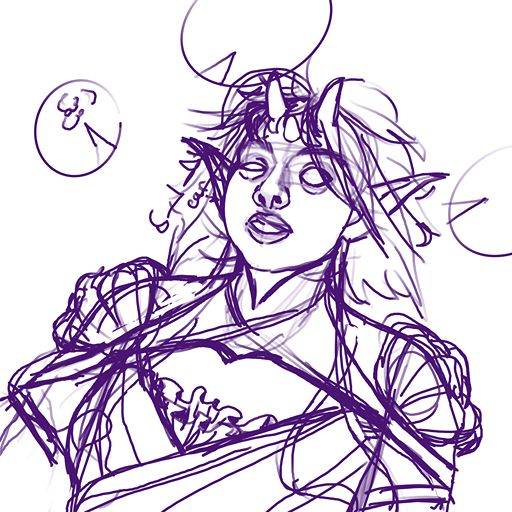
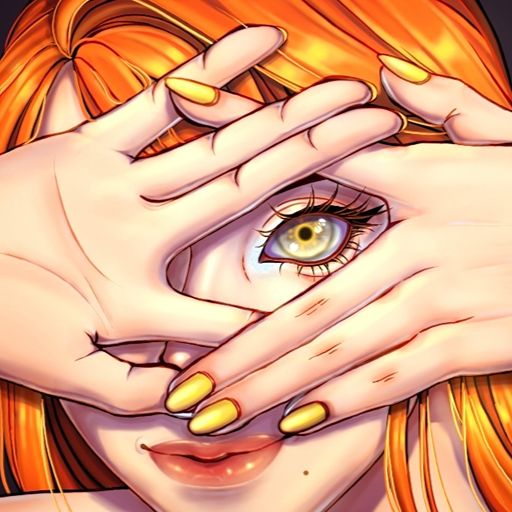
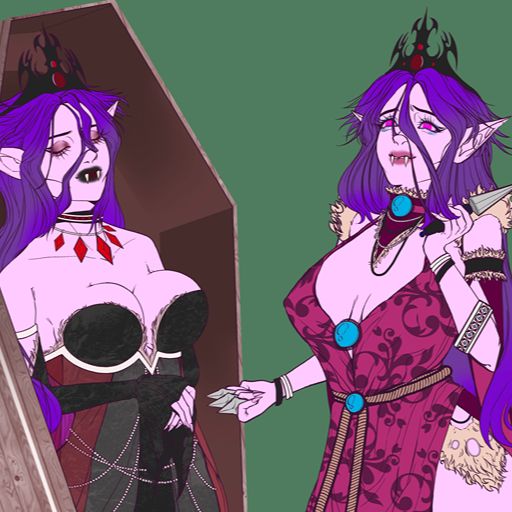
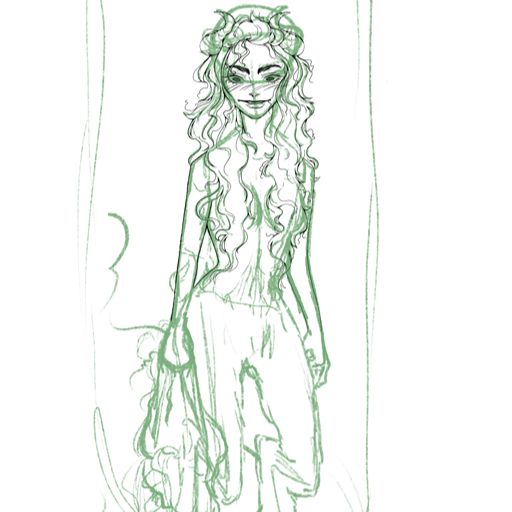
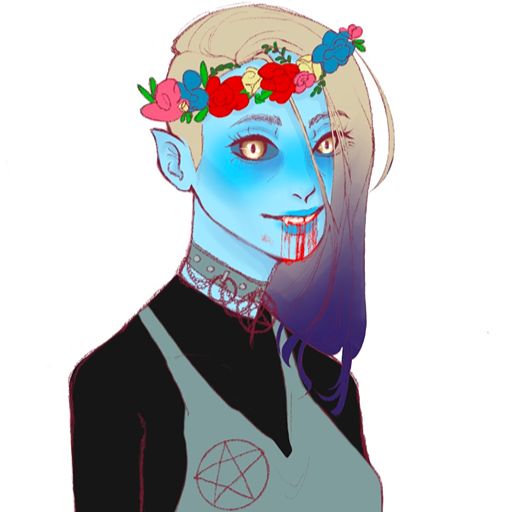
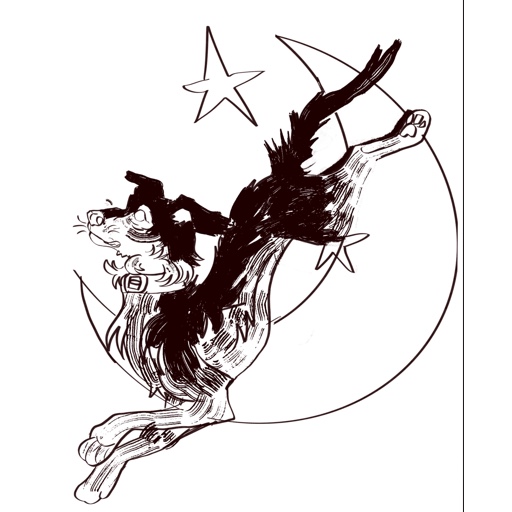
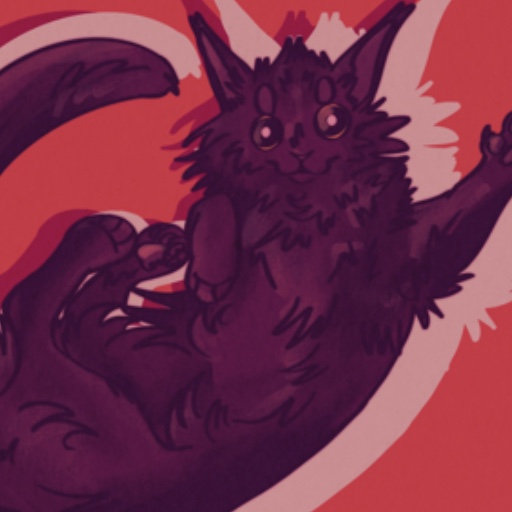
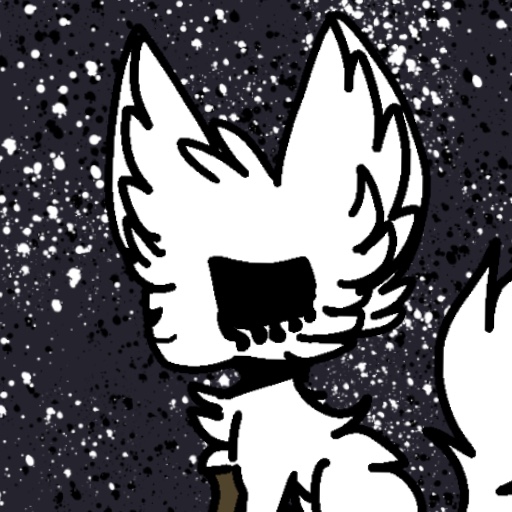
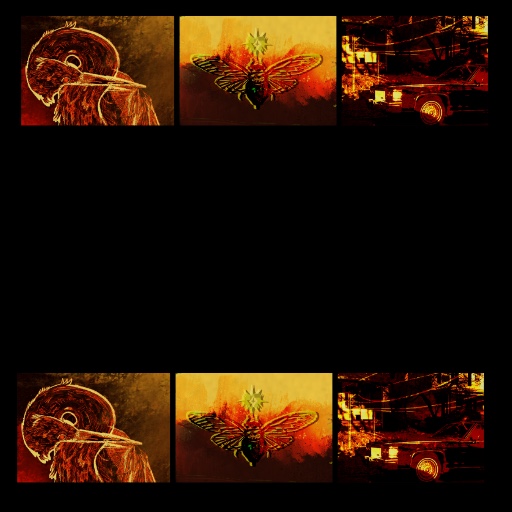
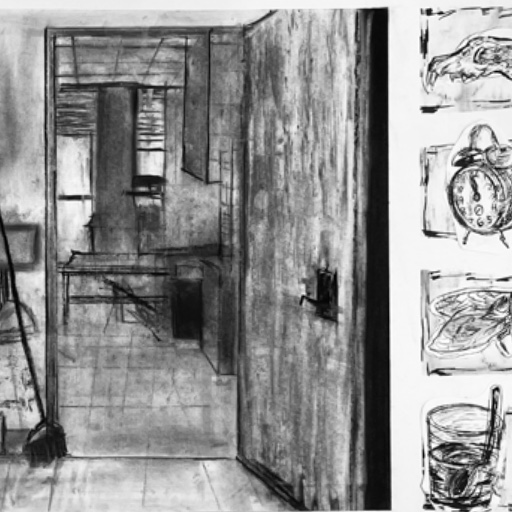
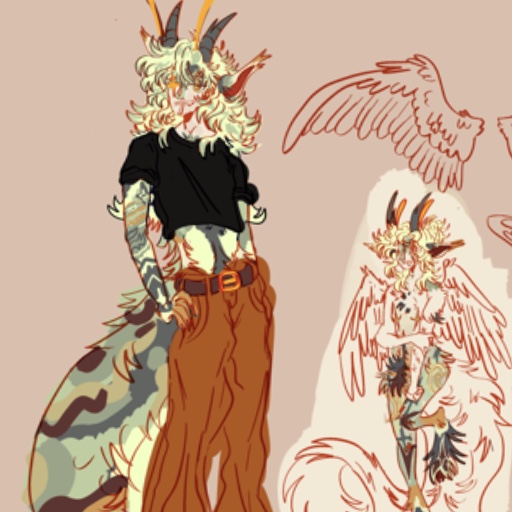
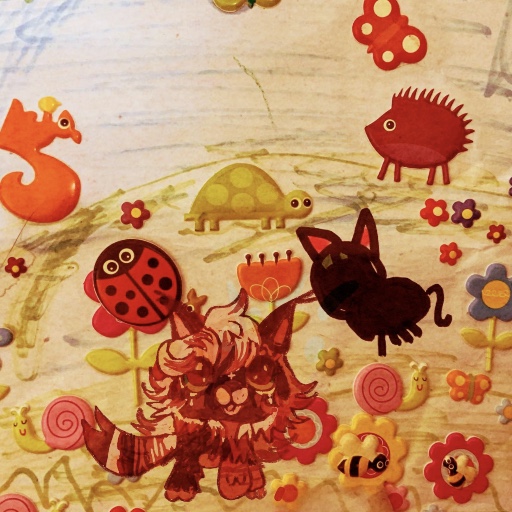
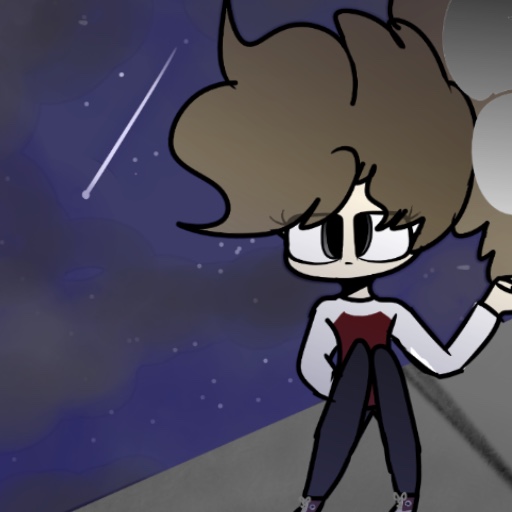
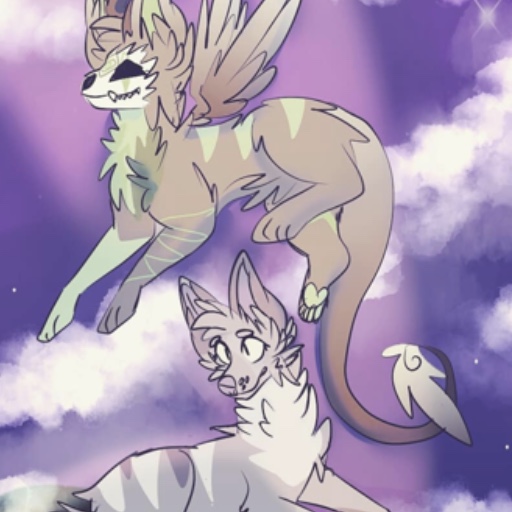
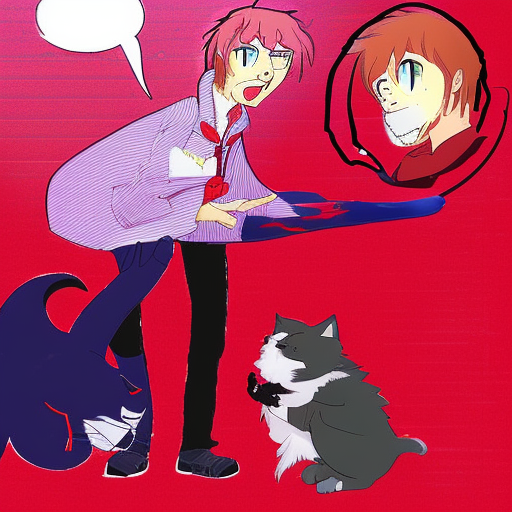
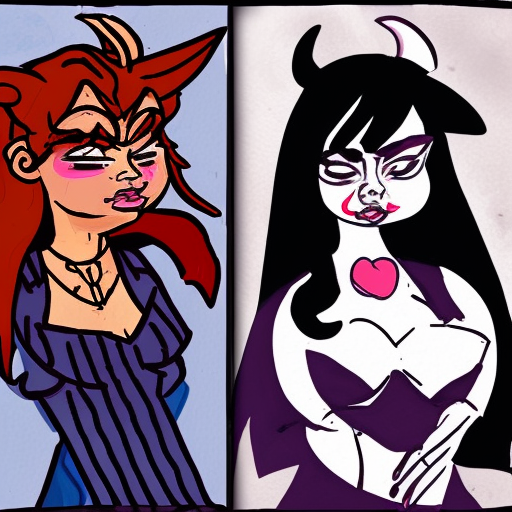
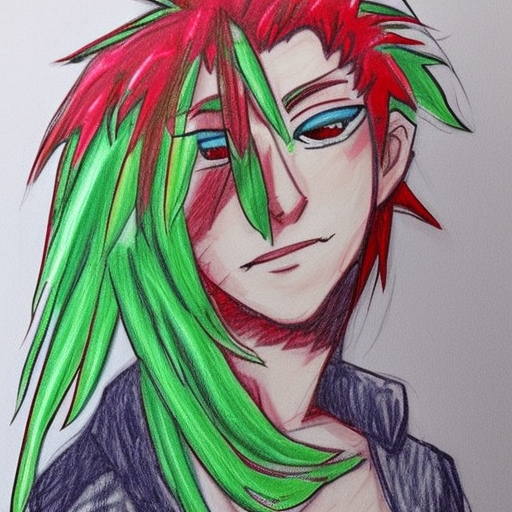
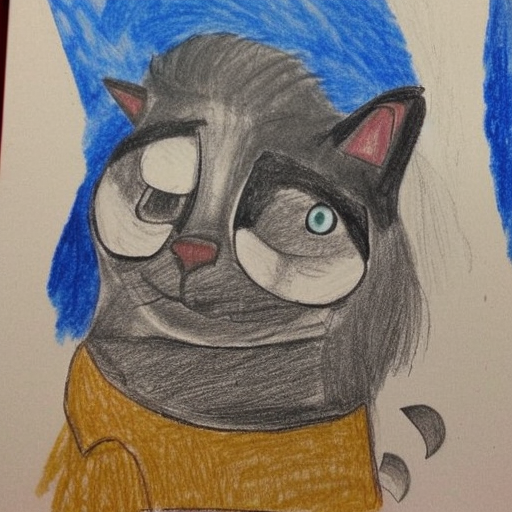
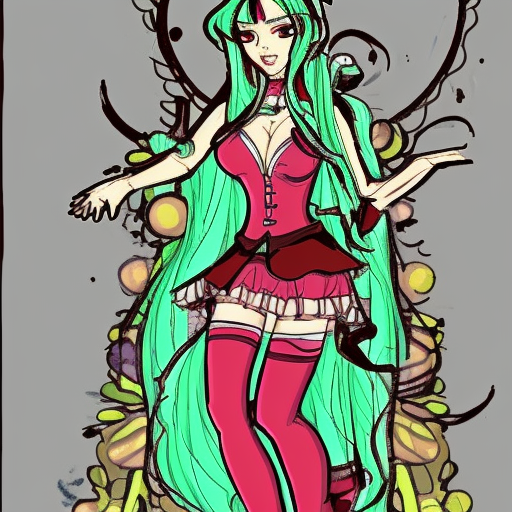
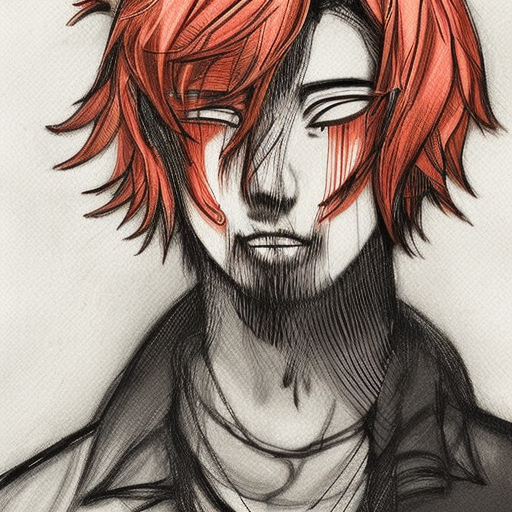
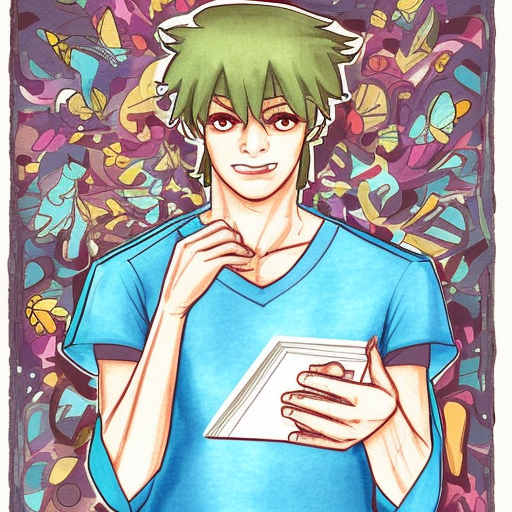
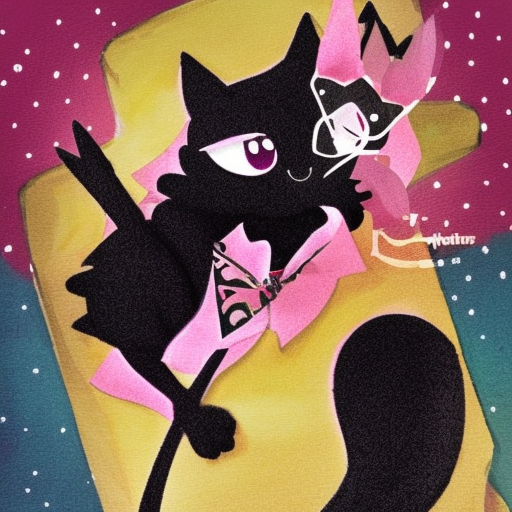
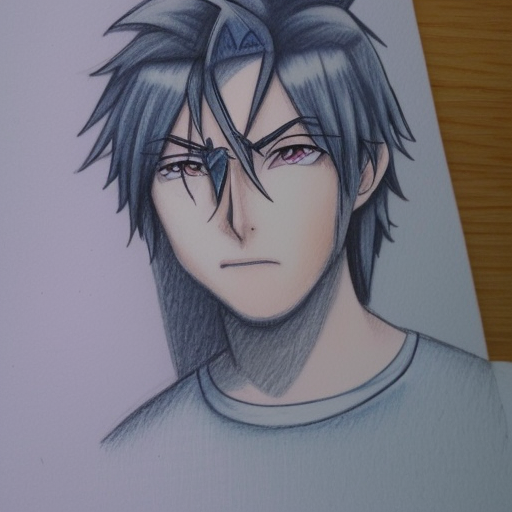
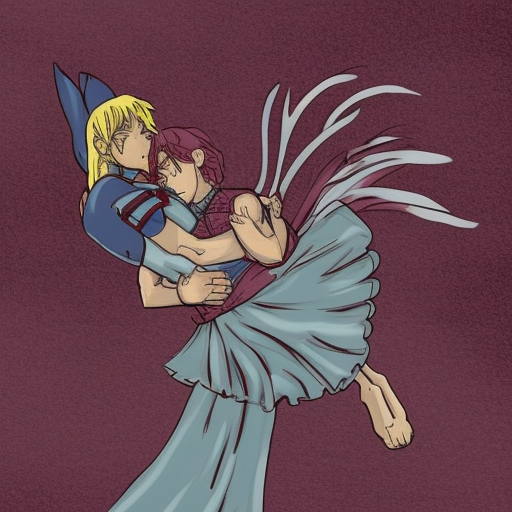
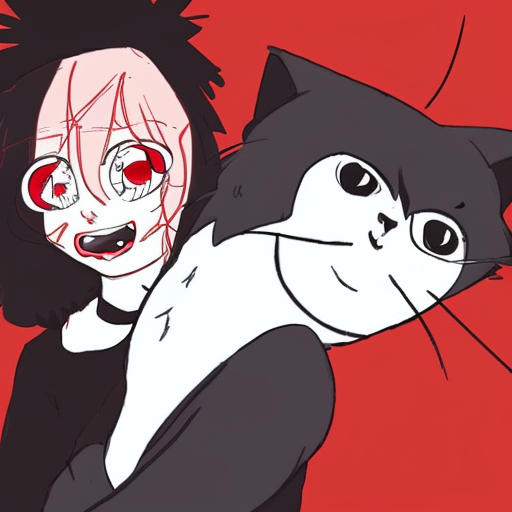
For our project, we selected images from our personal artwork that had been created by us as adults and as children/teenagers. Our purpose in choosing these images was to illustrate that AI systems, despite having access to many images, cannot truly understand or capture the depth, intent, and personal story behind an artist’s work. We argue that while AI can mimic styles or generate new images based on patterns, it cannot truly understand or replicate the human experience and intent embedded in our art. Whatever images are uploaded, the AI processes and reproduces based on patterns, often lacking understanding or respect for the original creators and their artistic identity (self taught or otherwise). We consciously consented to have our artwork included, and each piece was chosen with a specific purpose. This is unlike what is seen in the majority of AI artwork, which often uses copyrighted material with no regard or reason for the original artist.
Our data set is from a small but diverse group of artist perspectives, and features work from early elementary to college artwork. These pieces all reflect the development of each of our own artistic styles, reflecting our own experiences through our artwork. This tool also is a commentary on artistic development, something that a machine can never authentically replicate. Machines, like people, grow in knowledge over time based on the information they have consumed. The difference between us and these pieces of technology is simple: the human experience. Machines adapt very quickly due to rapid processing of information, humans have to have experiences to process information. This represents the development of the self over long periods of time, and creates an identity that a machine can not mirror. A machine does not have feelings and cannot consider those feelings or experiences in their work. It is for this reason that AI art can not be original as it can only collect the experiences and feelings of others.
Ultimately we are attempting to challenge the norm that AI can produce superior or even equivalent art, emphasizing instead that artistic value comes from the human experience.








Example 2
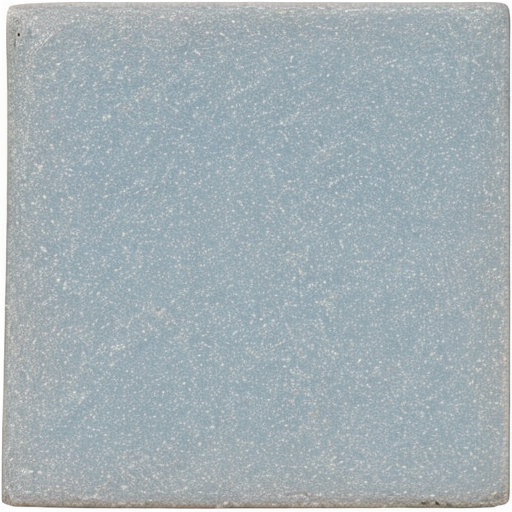
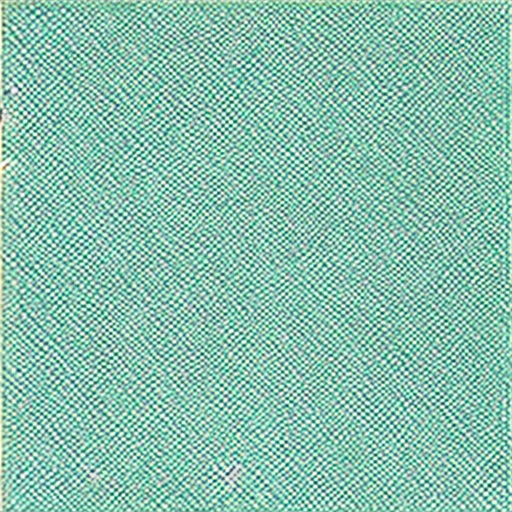
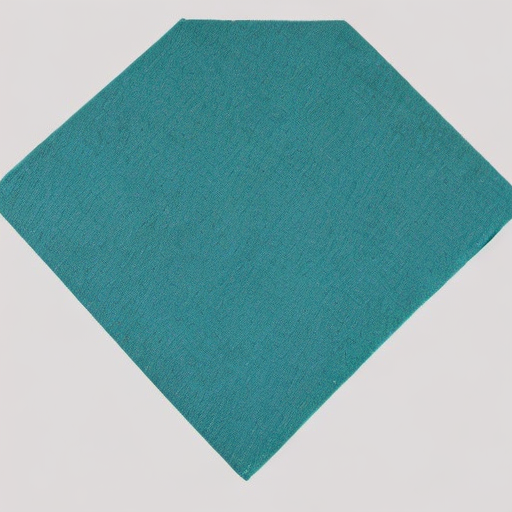
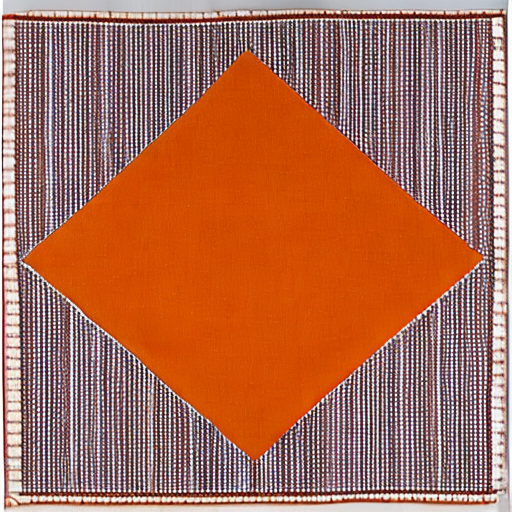
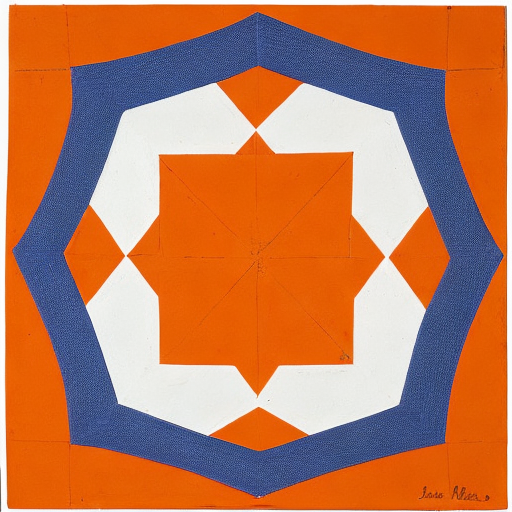
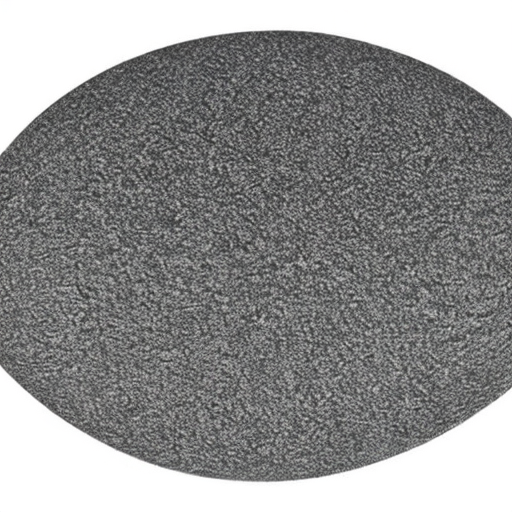
For my project, I chose to do something very simple, feeding the generative artificial intelligence a series of basic shapes along with basic colors with an interest in seeing how artificial intelligence fulfills various requests when provided with only the most basic of resources at its disposal. While my project is rather basic, and would likely not introduce a perspective lacking by the default dataset, it would be intriguing to see what conclusions are made by a data set that has been constrained to bare bones information. As an example of the aspects of this project that peak my curiosity, I would be fascinated to see if aspects of the default dataset exceed that data I provide, which I will test by adding certain blends of color, such as blue-green, while purposefully omitting others like yellow-green, and then seeing how effective the artificial intelligence is at creating combined colors.
Considering my role as the “curator” of the dataset, it is my responsibility to maintain certain ethical requirements. In regard to how my role ties into the many ethical issues that may come with dealing with any project that incorporates generative artificial intelligence, I have managed to circumvent a good deal of them with the path I have elected to take in this project. By only feeding the artificial intelligence simple shapes and colors, there are no races, or genders to concern myself with, and since no basic shape or color can effectively be claimed as any person’s intellectual property, my project is safe on that front as well.






























Example 3
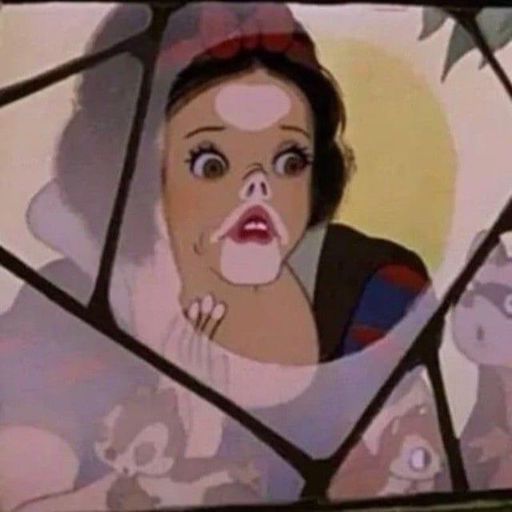
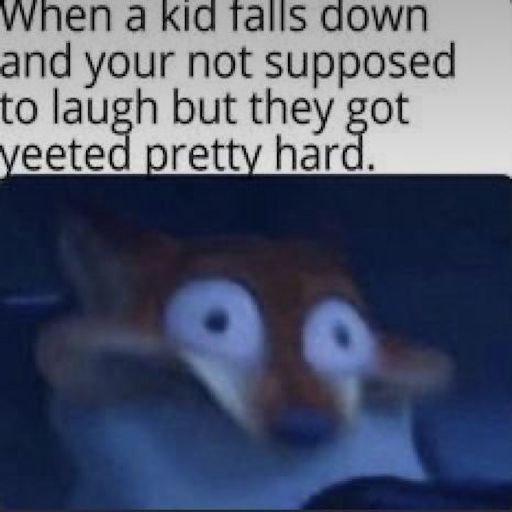
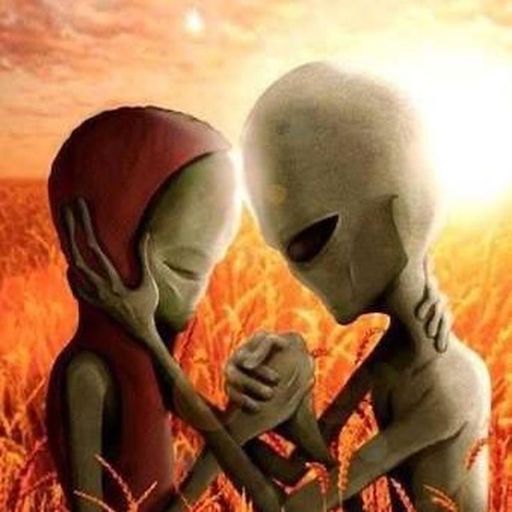
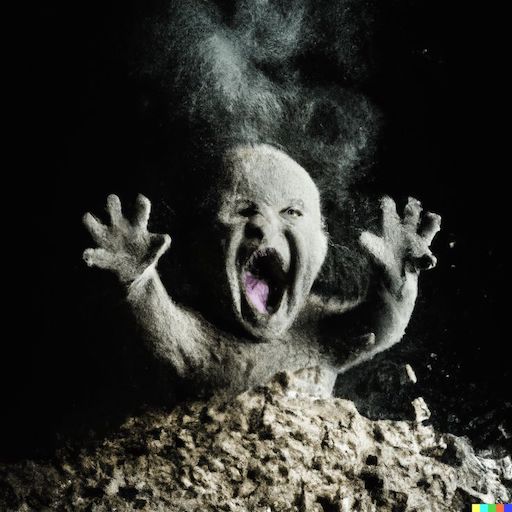
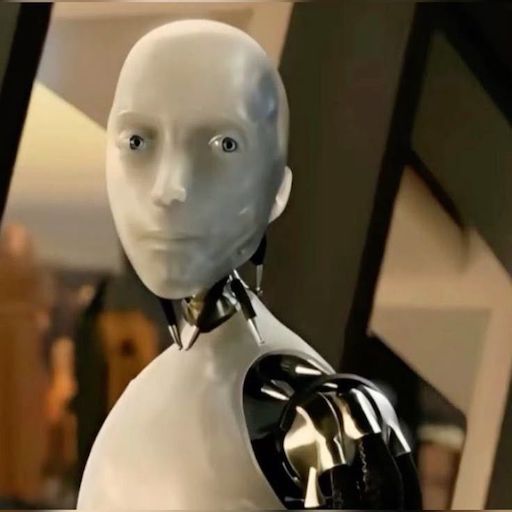
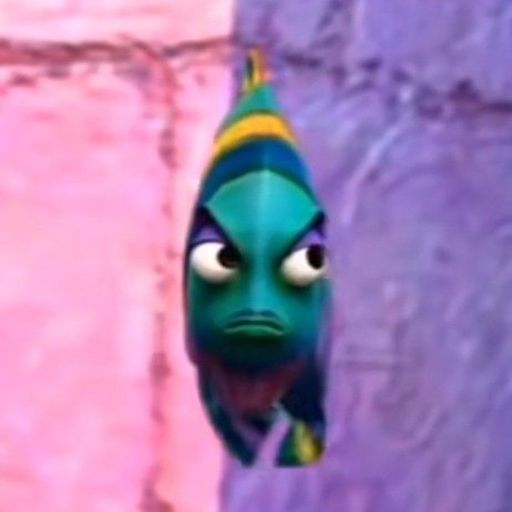
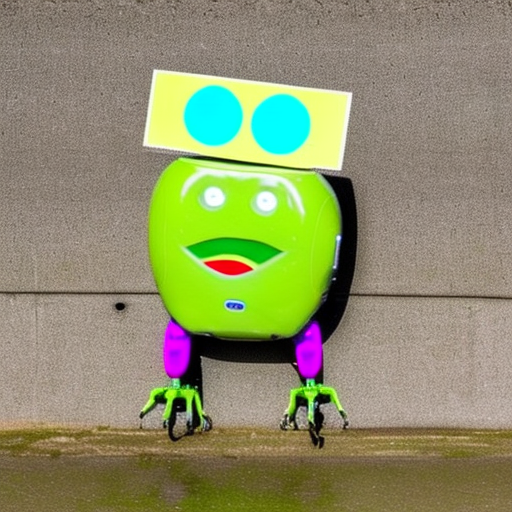
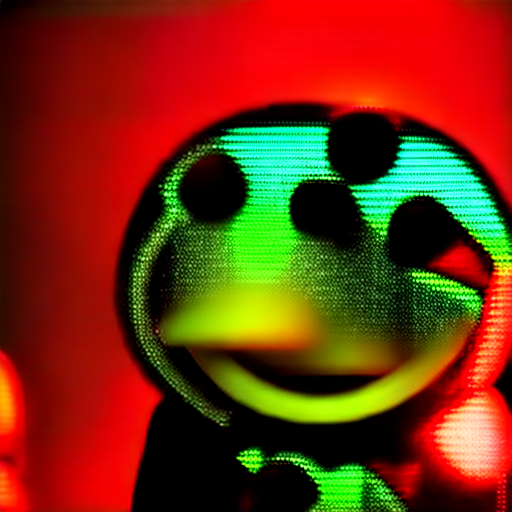
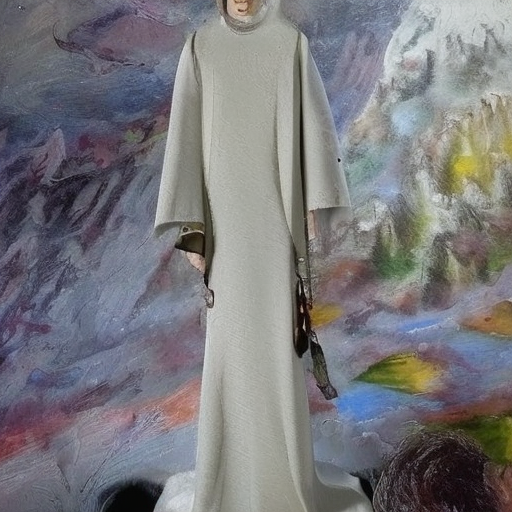
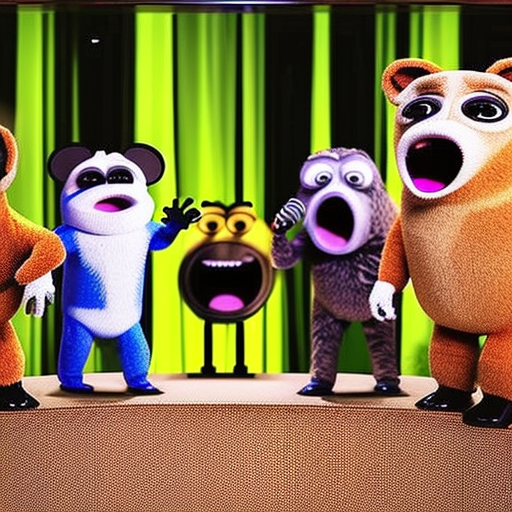
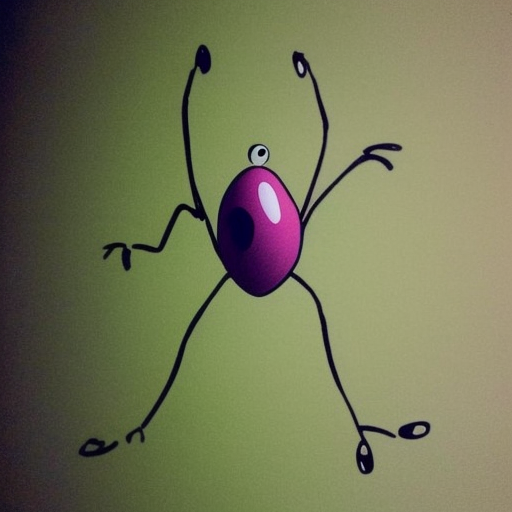
For our project we struggled with an ethical way to experiment with AI generation. As AI generation is something that makes most of our stomachs turn, choosing images for this project was difficult. Even if we “know” that the model of artificial intelligence we are using will not harbor data, sell it, or “learn” from it long term, we don’t ever truly know. For this reason we decided to set some ground rules.
- Our images are not allowed to contain (unedited) images of real people that exist in the world. That goes for average unrecognizable citizens as much as it goes for iconic celebrities.
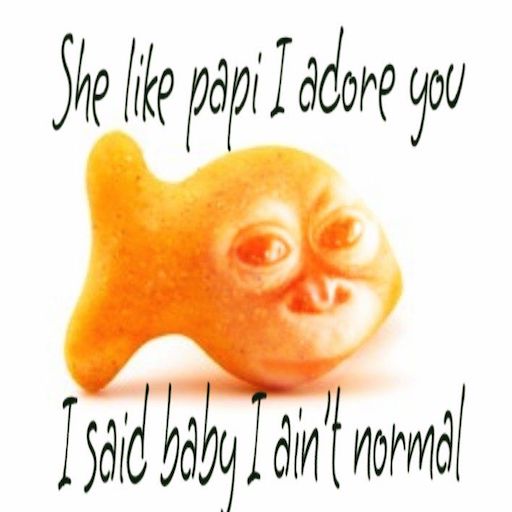
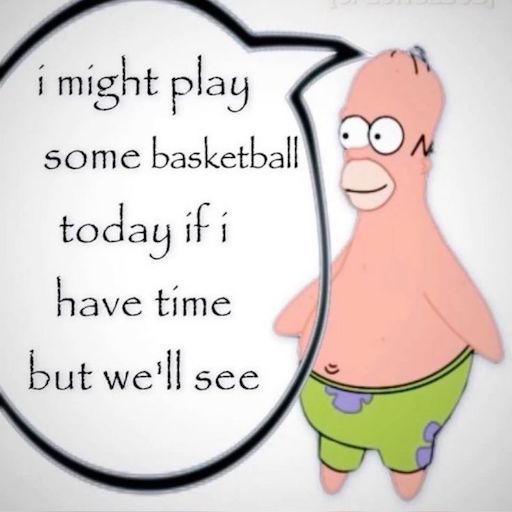
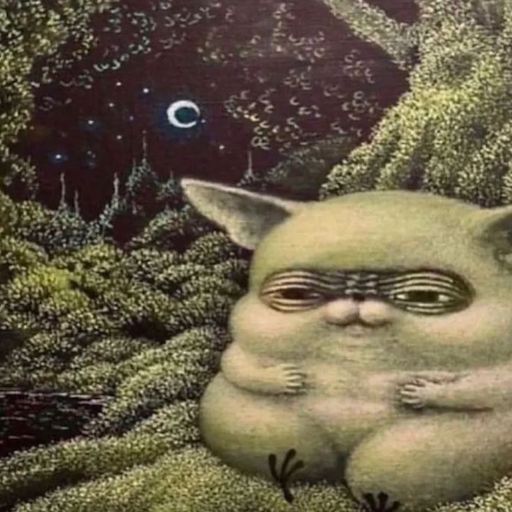
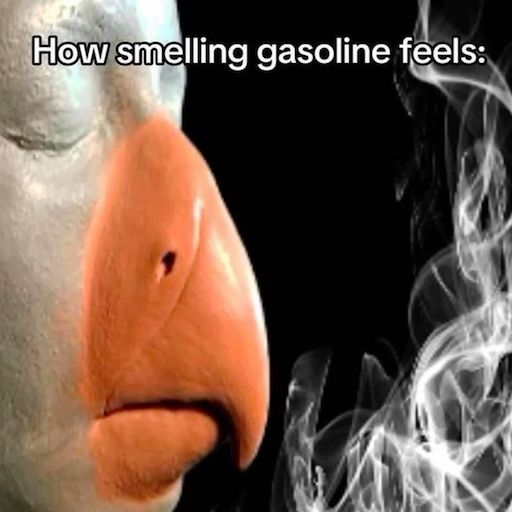
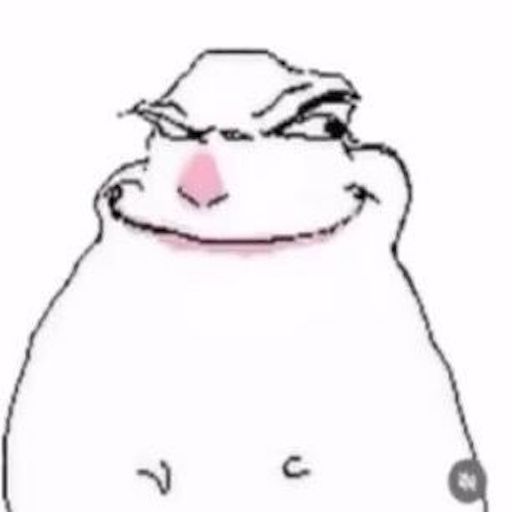
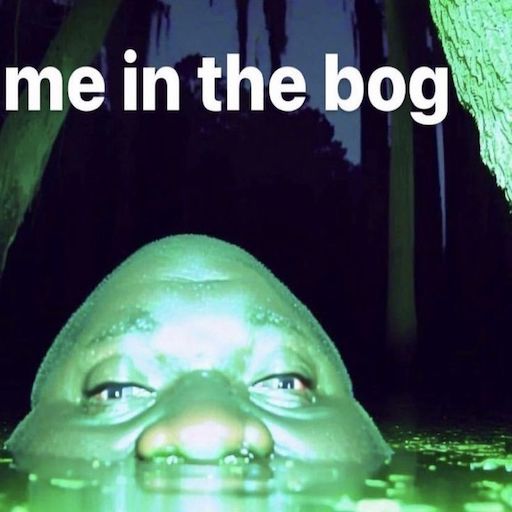
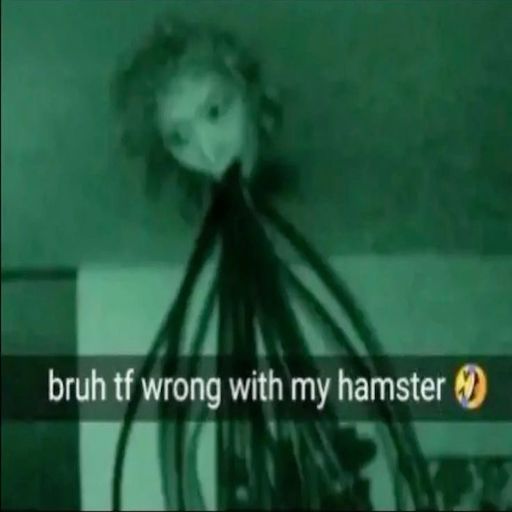
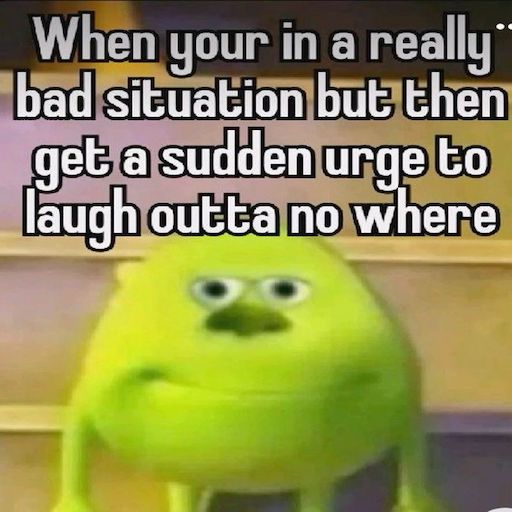
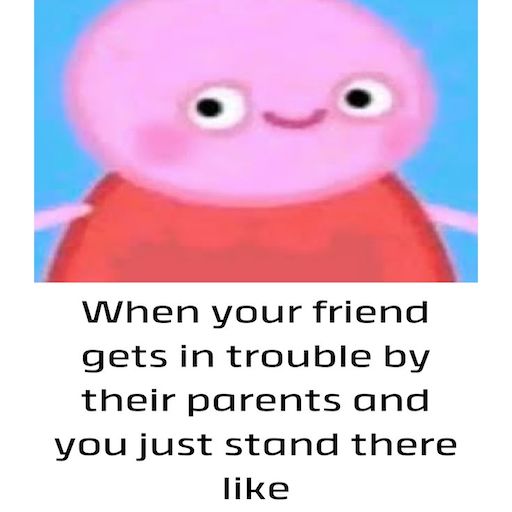
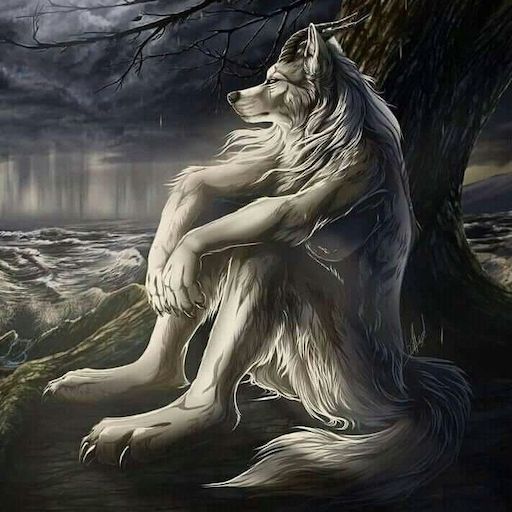
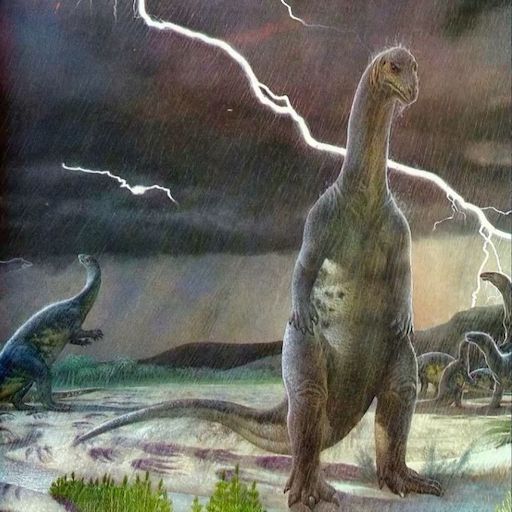
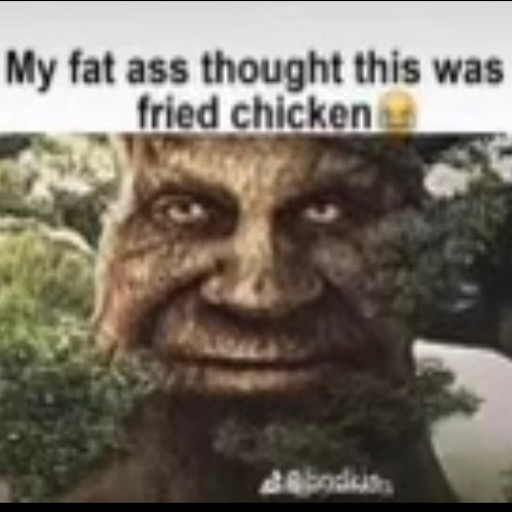
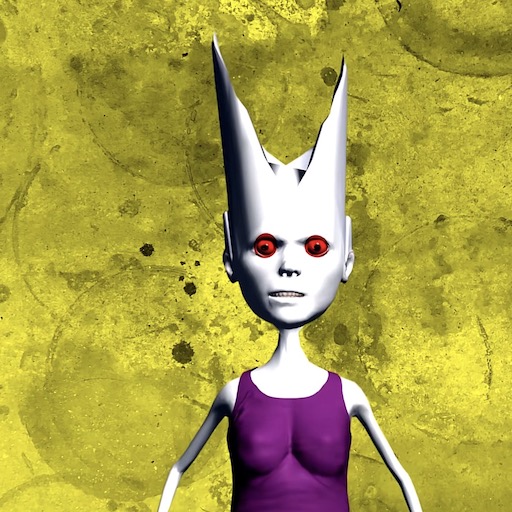
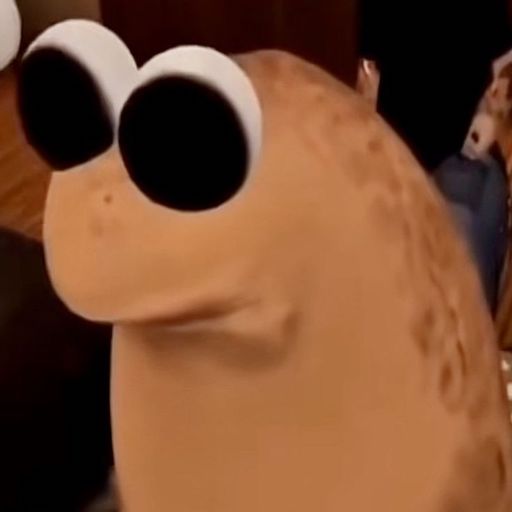
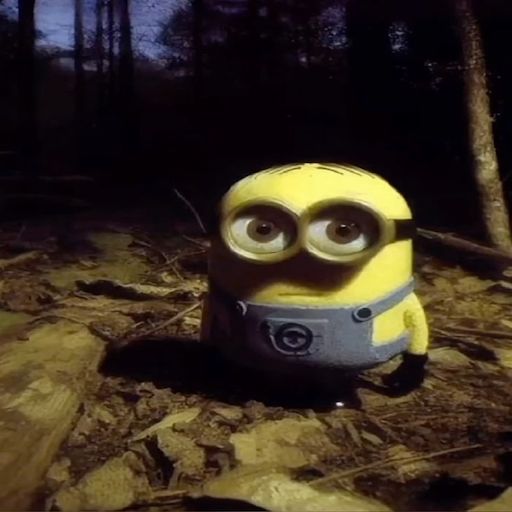
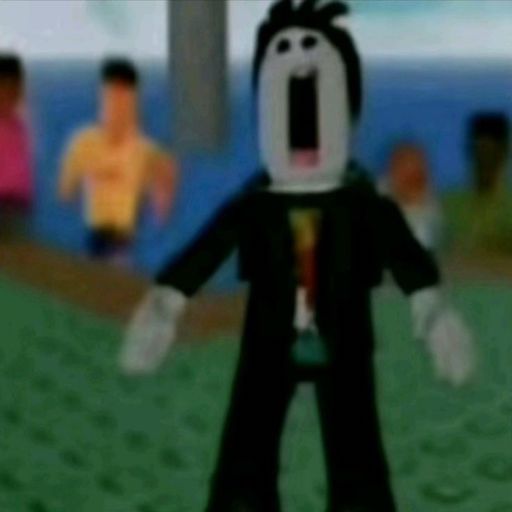
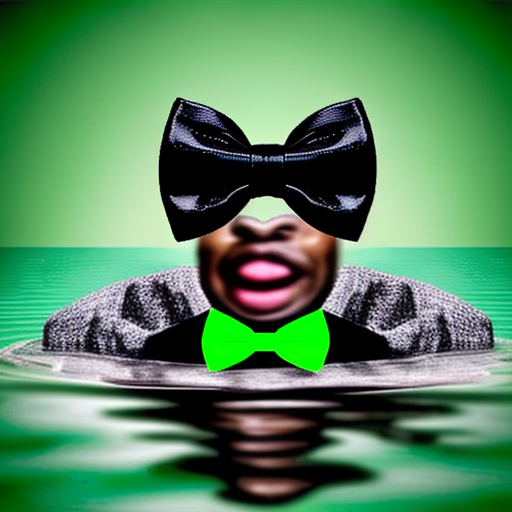
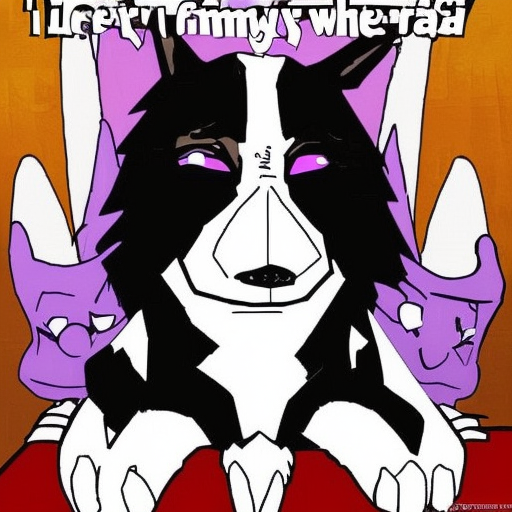
- The images should be confusing to the AI or to its user (e.g. some of our images contain text, deformed creatures, low clarity, etc).
- They should be created digitally
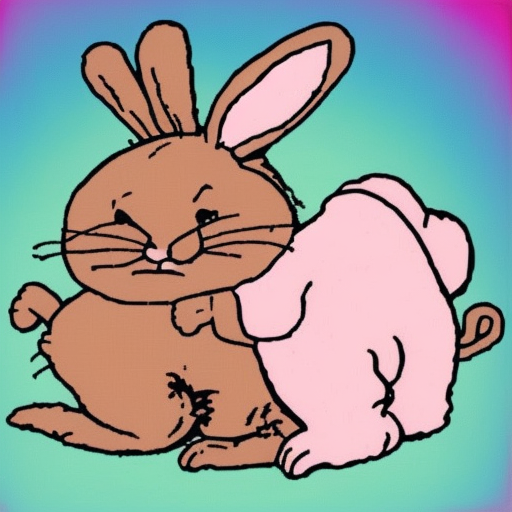
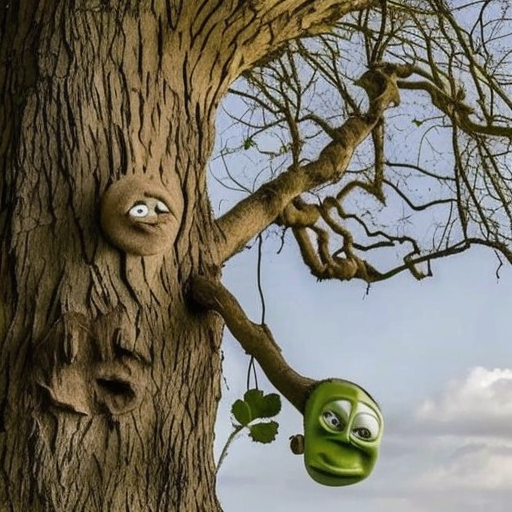
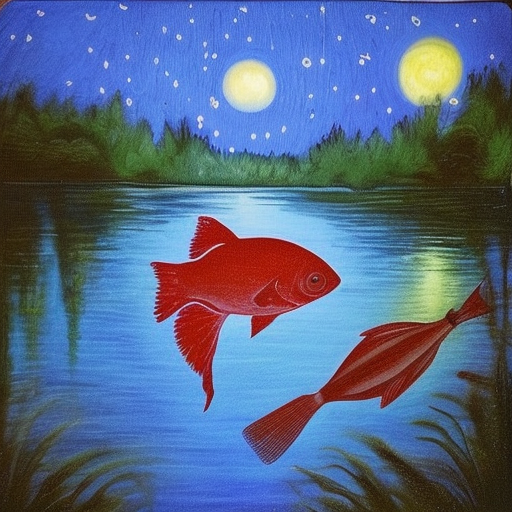
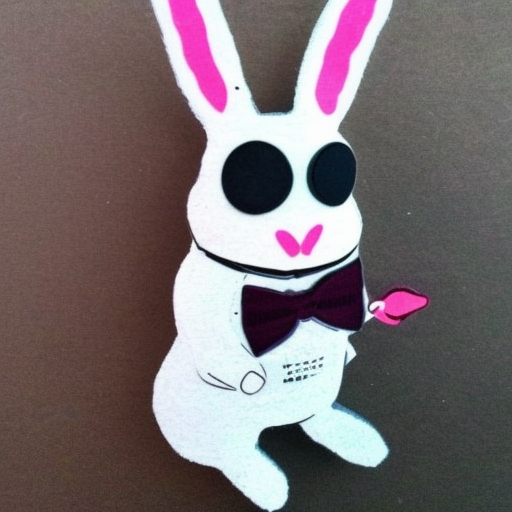
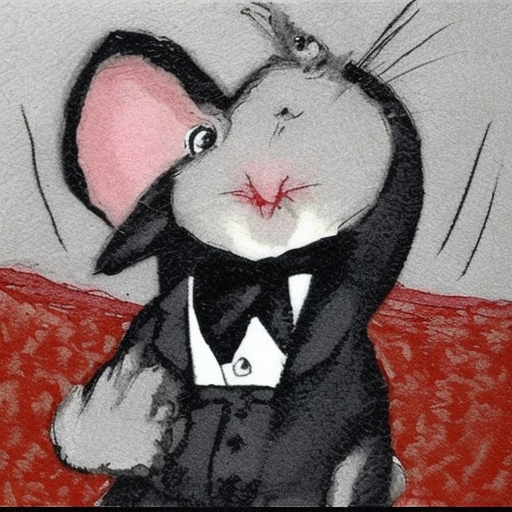
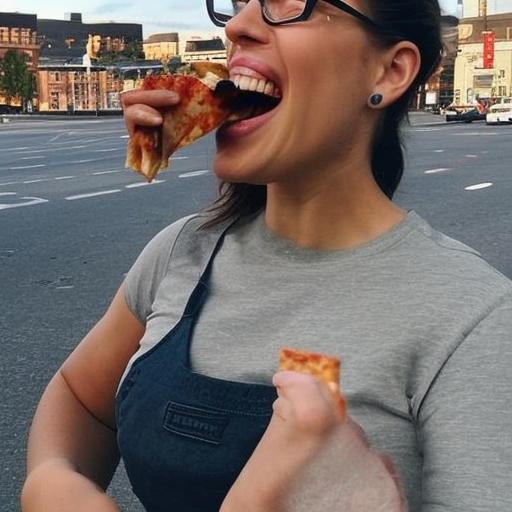
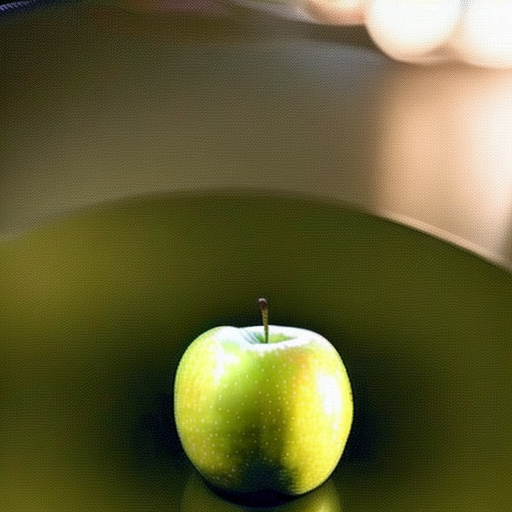
Our goal is to use accurate but misleading descriptions or already confusing images in order to ensure that the AI does not give the user what they want (i.e., “Generate an art image that shows a bunny being pulled out of a hat”). But since we only gave the AI a cursed animated bunny image it is going to pervert the magician theme into something entirely different. This goes for representation too. Some images of men do not represent men well or accurately as well as some images have misleading skin tones such as a black man in a green hue, leading AI to believe that black men are green. Essentially, we have thrown ethical issues on their head by daring AI to try to be ethical given its bounds (ultimately showing that it is unethical). Given these rules, we curated around 30 meme images that should do the trick. By the end, the AI should be able to be deemed unusable, forcing us to rely on human imagination and creative expression.





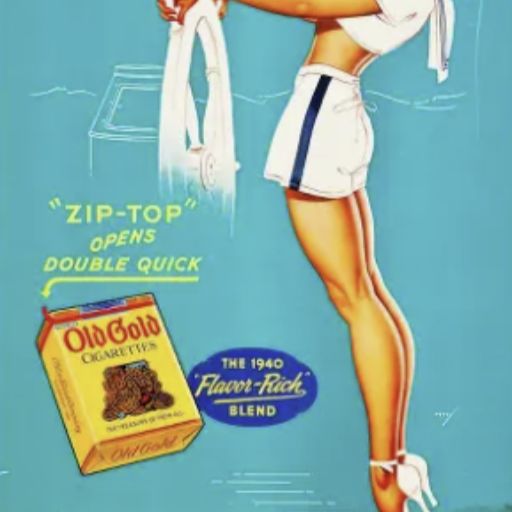
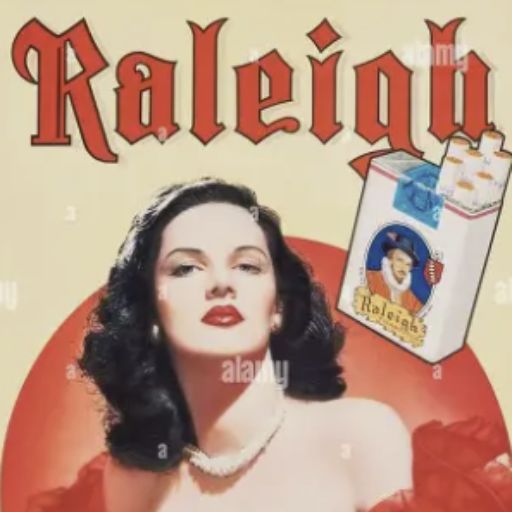
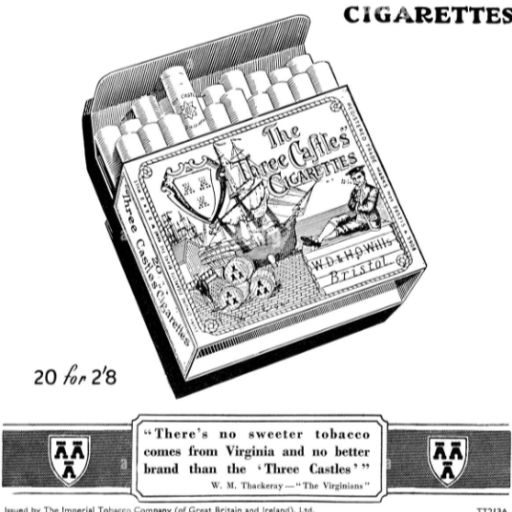
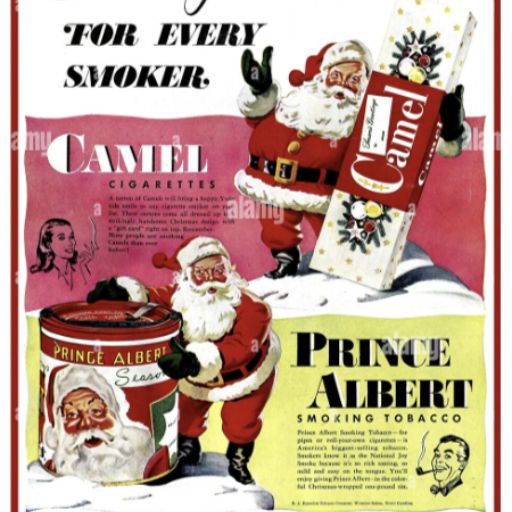
Example 4
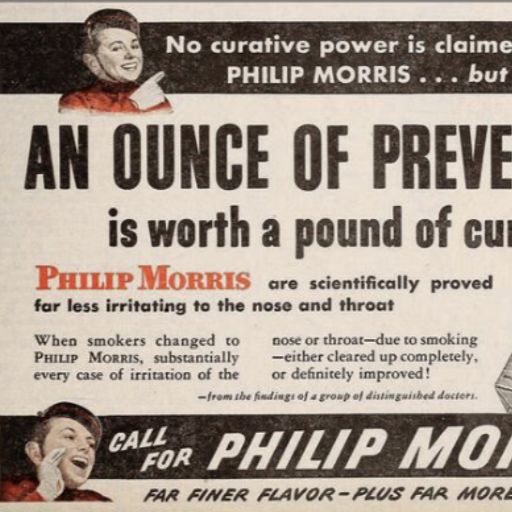
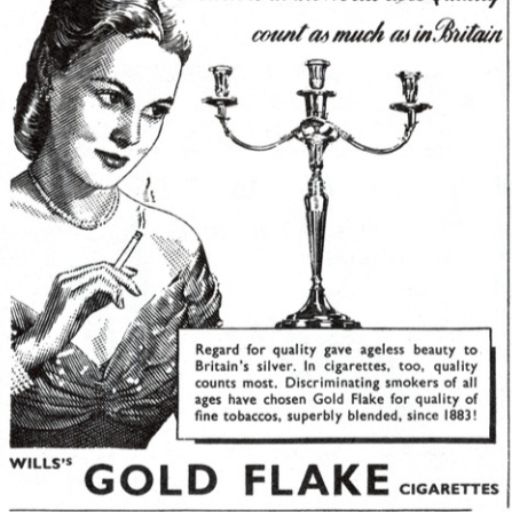
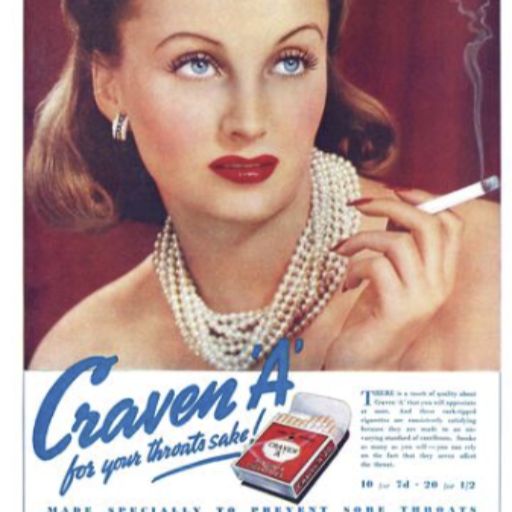
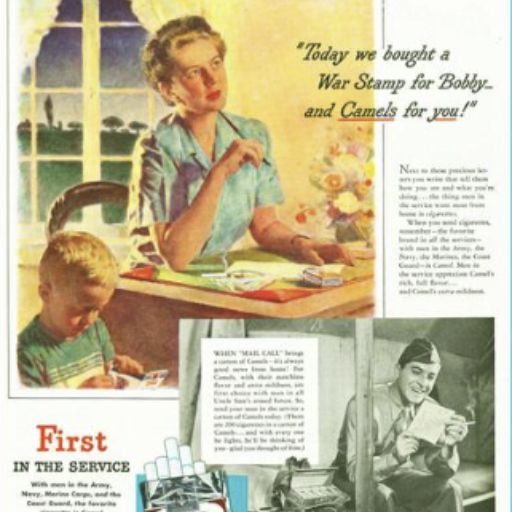
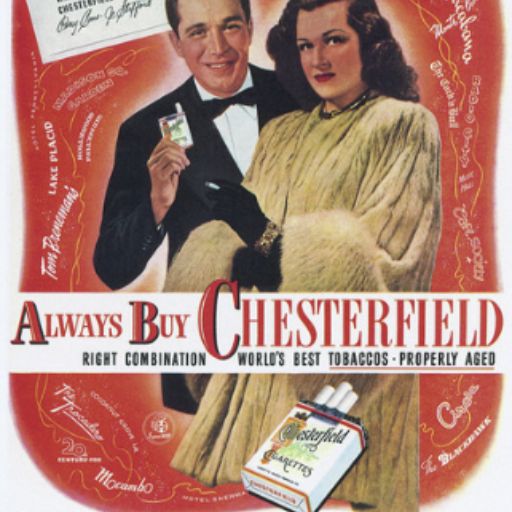
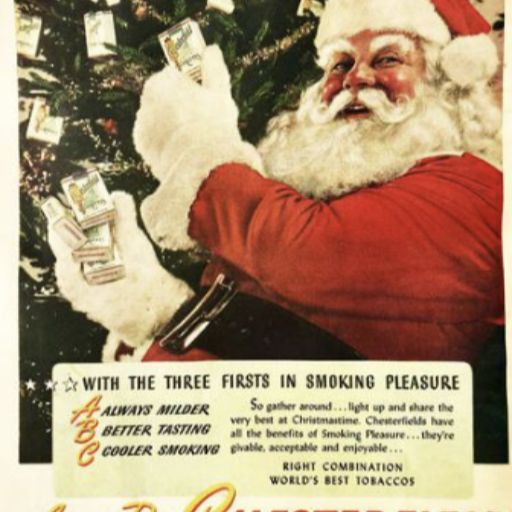
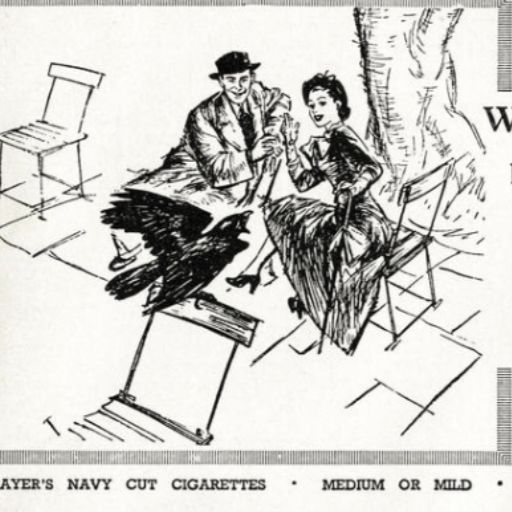
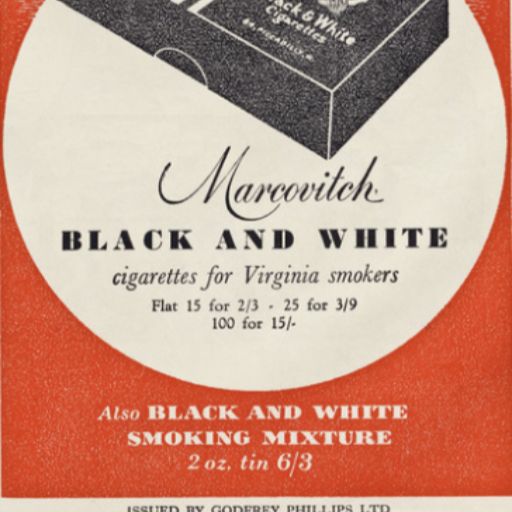
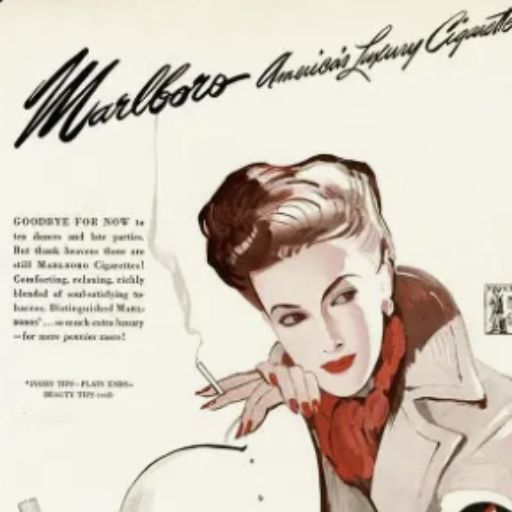
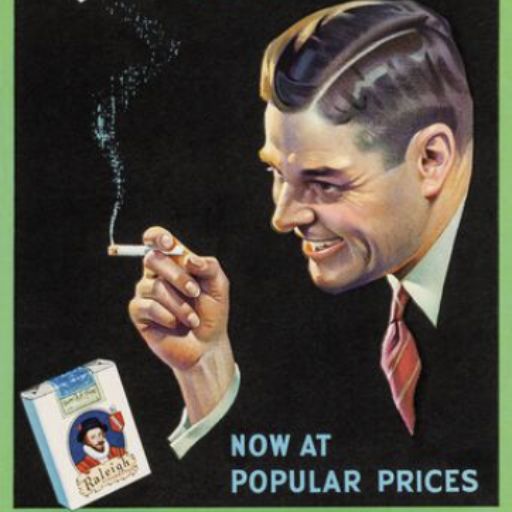
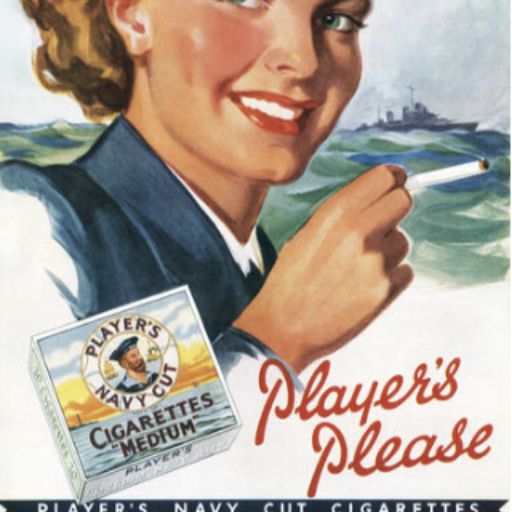
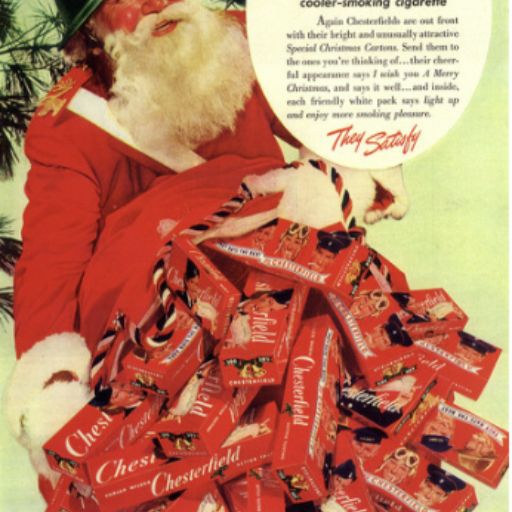
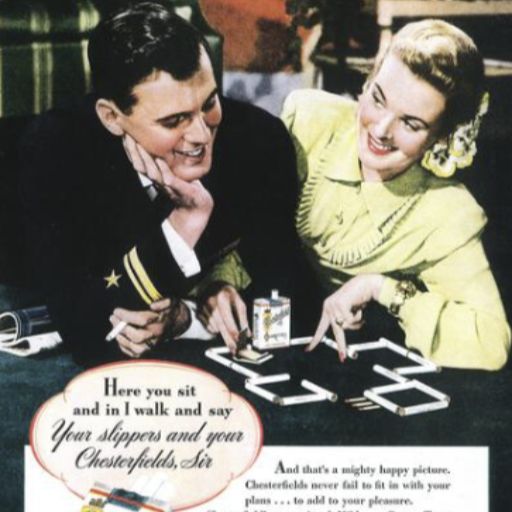
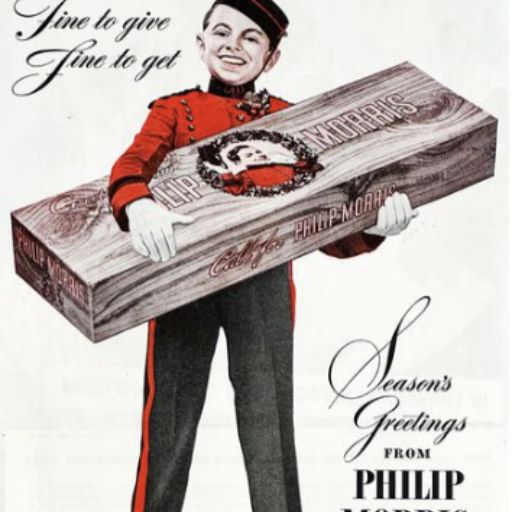
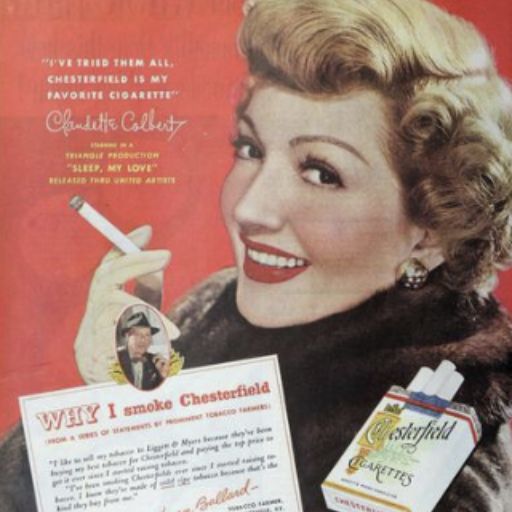
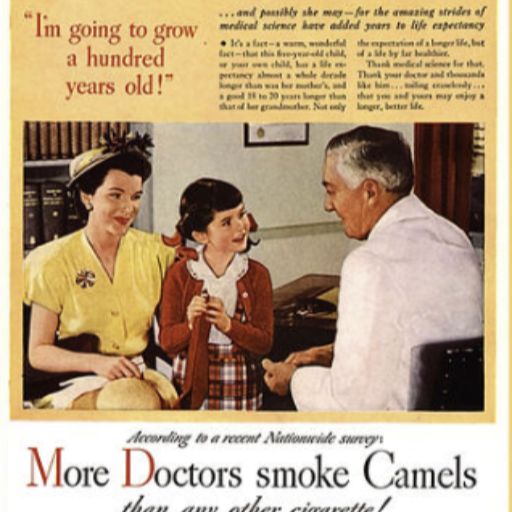
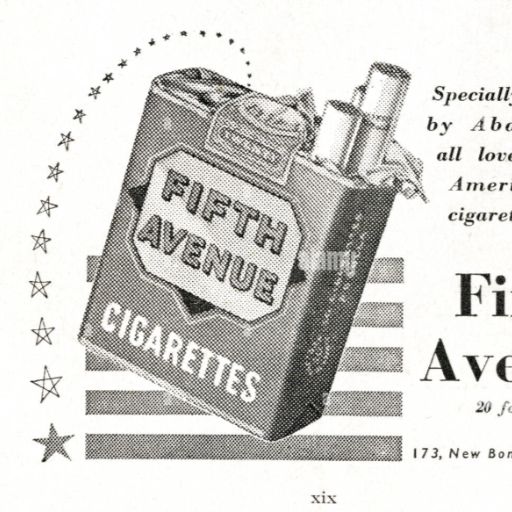
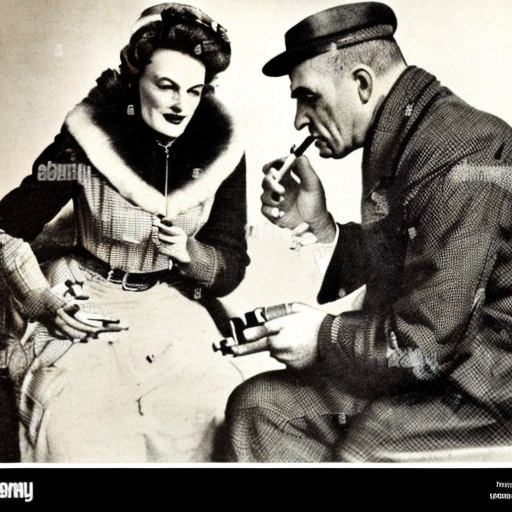
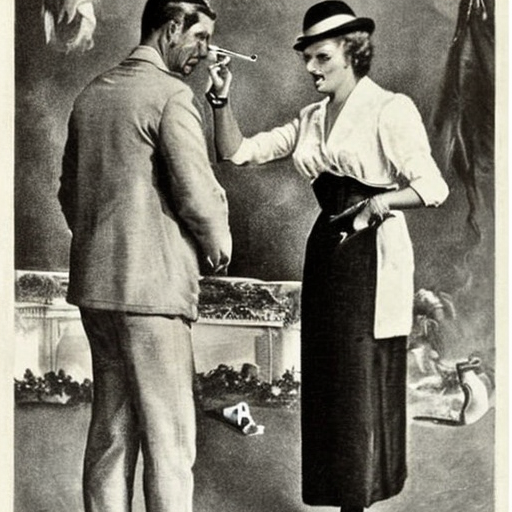
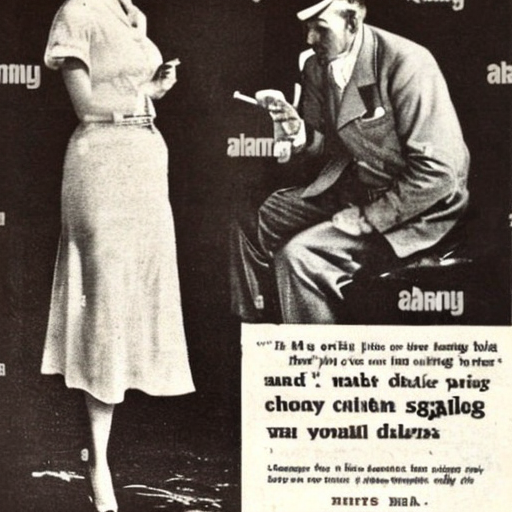
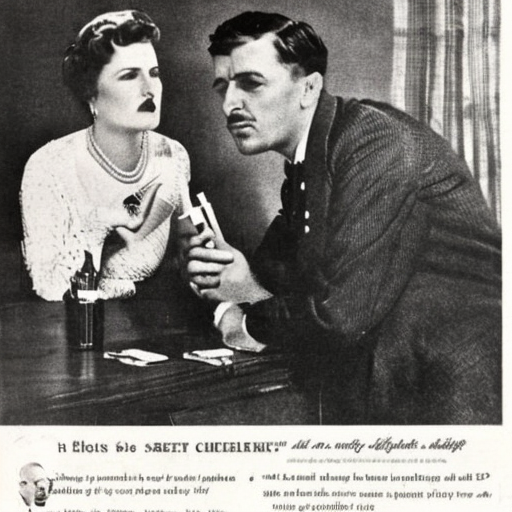
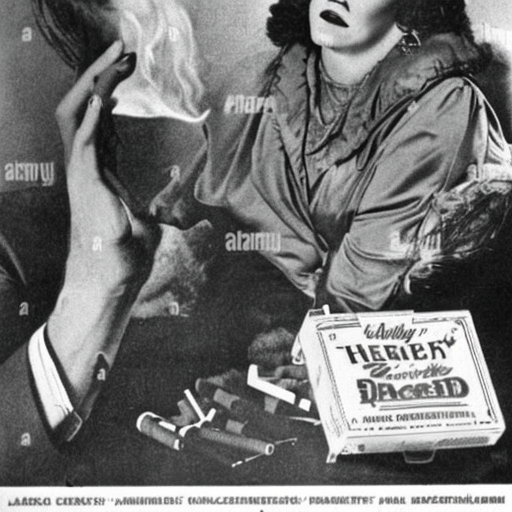
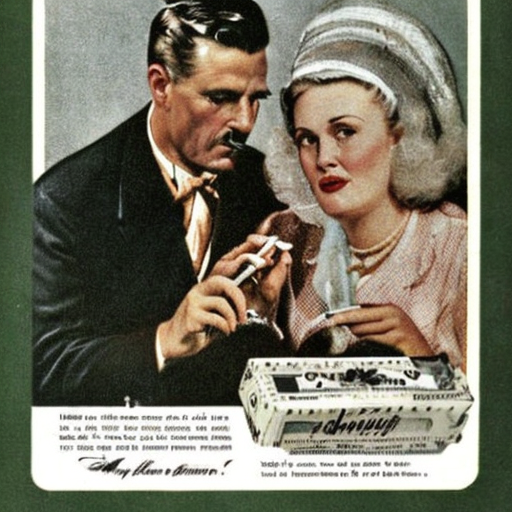
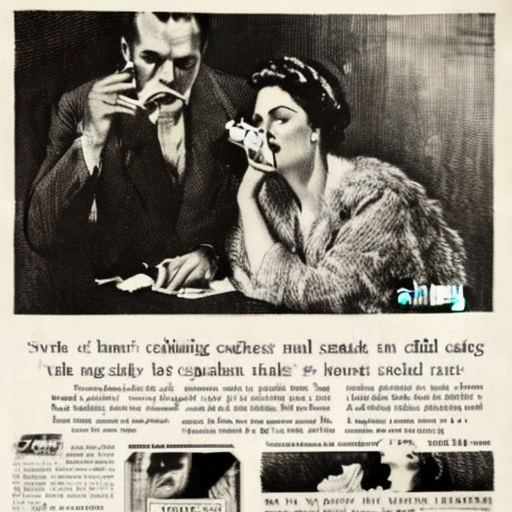
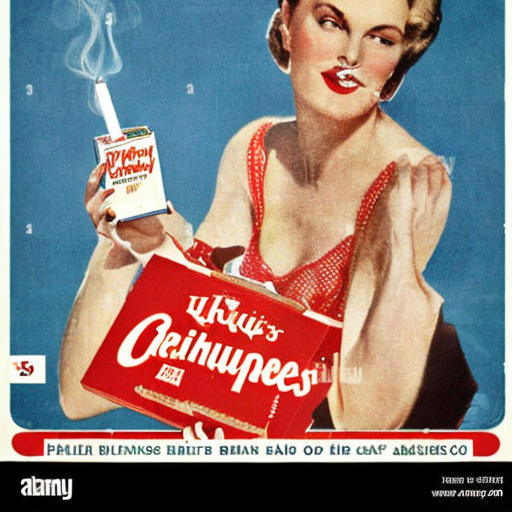
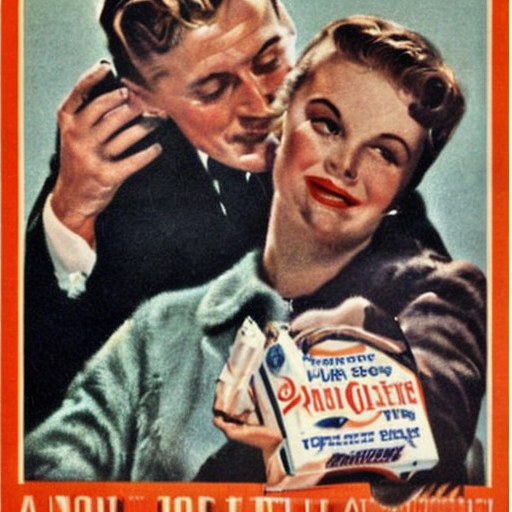
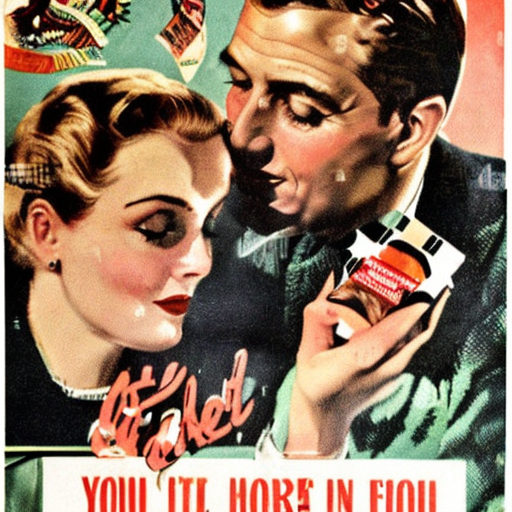
In this project, I put together vintage cigarette ads with comic-style images. These posters advertised addictive cigarettes using bright colors, enticing figures, and catchy slogans. I picked these as they show how visual art can hide a threat and present it as a thing of beauty. While these posters are ethically problematic in advertising addiction to cigarettes, I hope to use these in training a model to do the opposite and creating images that warn consumers rather than persuade. In the first case as a curator, I hope to make a statement with the images I choose to include. I also hope to help the AI learn to interpret negative images in a more constructive and socially conscious way. I am curious to see how AI focuses on unethical and manipulative images then transforms them to images that critique the use of such visuals. In terms of the ethics of data and the images I selected, most are considered fair use in the public domain, and my use is educational. I critique tobacco advertising and do not intend to glorify it, I am instructing the machine on how to understand the strength of persuasion and how to use it in a positive way. The images produced will serve as anti-ads, demonstrating how quickly technology learns.